Blanketing 101

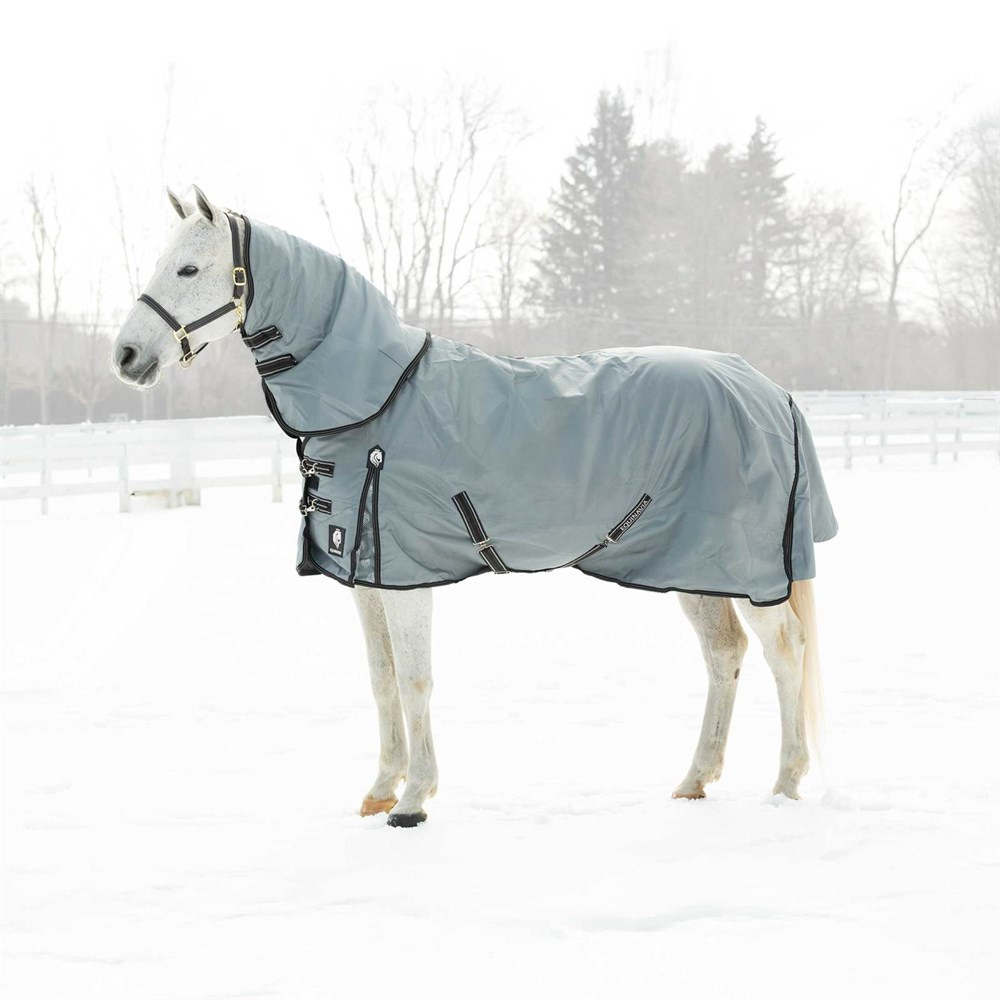
When winter winds start howling and temperatures drop, your horse’s comfort becomes a top priority. Whether you’re a seasoned equestrian or new to horse ownership, understanding the ins and outs of blanketing can make all the difference in your horse’s health and happiness during cold weather months.
Understanding Horse Blankets
Horse blankets serve as your equine friend’s winter wardrobe, providing essential protection against cold, wind, rain, and snow. Just like you wouldn’t venture out in harsh weather without proper clothing, your horse needs appropriate coverage to maintain body temperature and stay comfortable.
The world of horse blankets can seem overwhelming at first, with various styles, weights, and features available. From lightweight sheets for mild weather to heavy winter horse blanket options for frigid temperatures, each type serves a specific purpose in your horse’s seasonal wardrobe.
Explore Equinavia:
https://www.equinavia.com/
Your Horse Blanket Fit Guide
Getting the right fit is absolutely crucial when it comes to horse blankets. A poorly fitting blanket can cause more harm than good, leading to rubs, sores, and general discomfort that can affect your horse’s well-being and performance.
How to Measure Your Horse
Creating an accurate horse blanket fit guide starts with proper measurement. You’ll need to measure from the center of your horse’s chest, across the widest part of the shoulder, all the way to the center of the tail base. This measurement, typically ranging from 66 to 84 inches for most horses, determines your blanket size.
Most manufacturers offer sizes in three-inch increments, so if your horse measures between sizes, always size up rather than down. A slightly loose blanket is far better than one that’s too tight and restrictive.
Key Fit Points to Check
The chest closure should allow natural movement without creating gaps or pulling tight against your horse’s neck. Your horse should be able to lower his head to graze and move freely without the blanket shifting or causing discomfort.
Surcingles, the straps that secure the blanket around your horse’s belly, need special attention. They should be snug enough to keep the blanket in place but loose enough to allow comfortable breathing and movement. A good rule of thumb is maintaining about a hand’s width of space for optimal comfort.
The tail flap plays an important role in protecting your horse’s hindquarters from drafts and moisture. It should cover the base of the tail adequately without restricting natural tail movement or causing irritation.
Also Read: Why Electrolytes are Important
Different Types of Horse Blankets for Every Need
Turnout Blankets for Horses
Turnout blankets for horses are the workhorses of equine outerwear. These durable, waterproof blankets are designed to withstand outdoor conditions while keeping your horse warm and dry. They feature reinforced materials that can handle fence lines, trees, and the general rough-and-tumble of pasture life.
Most turnout blankets come with varying degrees of insulation, from lightweight options for mild weather to heavy-duty versions for extreme cold. The denier rating indicates the fabric’s durability, with higher numbers meaning stronger, more tear-resistant materials. For example, a 1200D polyester blanket is stronger than a 600D polyester blanket.
Horse Stable Blankets
A horse stable blanket serves a different purpose than its outdoor counterpart. These blankets prioritize warmth and comfort over weather resistance, making them perfect for horses spending time in barns or stalls. They’re typically lighter in weight and less bulky than turnout blankets, allowing for easier movement in confined spaces.
Stable blankets often feature softer linings and more refined finishes since they don’t need to withstand the harsh outdoor elements. They’re excellent for maintaining your horse’s body temperature during cool nights or for horses that have been clipped for showing or performance.
When to Replace Your Horse Blankets
Understanding horse blanket replacement timing can save you money and keep your horse comfortable. Most quality blankets last approximately two to three years with proper care, but several factors influence their lifespan.
Signs It’s Time for New Blankets
Physical damage is the most obvious indicator that replacement time has arrived. Tears, holes, and frayed edges not only reduce the blanket’s effectiveness but can also create safety hazards. What starts as a small rip can quickly become a large tear that renders the entire blanket useless.
Waterproofing failure is another critical replacement signal. When rain starts soaking through your turnout blanket, your horse loses the protection he needs from wet weather. This can lead to chills, discomfort, and potential health issues.
Insulation breakdown often occurs gradually, making it less noticeable until your horse starts showing signs of being cold despite wearing his blanket. If the filling feels thin or clumpy, or if your horse seems chilly in temperatures where he was previously comfortable, the insulation has likely deteriorated.
The Hidden Costs of Delayed Replacement
Continuing to use worn-out blankets can actually cost more in the long run. Damaged blankets can cause skin irritation, rubs, and sores that require veterinary treatment. Poor insulation forces your horse’s body to work harder to maintain temperature, potentially leading to weight loss and increased feed costs.
Also Read: Poultice Vs Liniment: When To Use
Seasonal Considerations and Blanketing Strategy
Your blanket approach should adapt to changing weather conditions and your horse’s individual needs. Horses with full winter coats may require less blanketing than those that have been clipped for showing or work.
Temperature guidelines provide a helpful starting point, but remember that wind, humidity, and your horse’s body condition all play roles in determining comfort levels. Most horses don’t need blankets when temperatures stay above 50 degrees Fahrenheit, but this can vary significantly based on individual circumstances.
Layering for Extreme Weather
During particularly harsh weather, layering different types of blankets can provide optimal warmth without excessive bulk. You might use a lightweight stable blanket under a waterproof turnout sheet, allowing you to adjust your horse’s warmth level as conditions change throughout the day.
Maintenance Tips for Extending Blanket Life
Proper care significantly extends the life of your horse blankets, making replacement less frequent and more economical. Regular cleaning with specialized detergents helps maintain both insulation properties and waterproof coatings.
Always allow blankets to dry completely before storage, as trapped moisture can lead to mold, mildew, and unpleasant odors that are difficult to eliminate. Store clean, dry blankets in cool, dry locations away from rodents that might chew on straps or fabric.
Annual waterproofing treatments can restore the weather-resistant properties of turnout blankets, extending their useful life and maintaining protection for your horse.
Conclusion
Consider your horse’s lifestyle when making blanket choices. Horses turned out in large pastures with shelter options may need different features than those in smaller paddocks with limited natural protection.
Remember that proper fit, appropriate replacement timing, and regular maintenance create a blanketing system that serves both you and your horse well for years to come.