Winter Riding Safety Tips: Prevent Slips, Strains & Cold Injuries

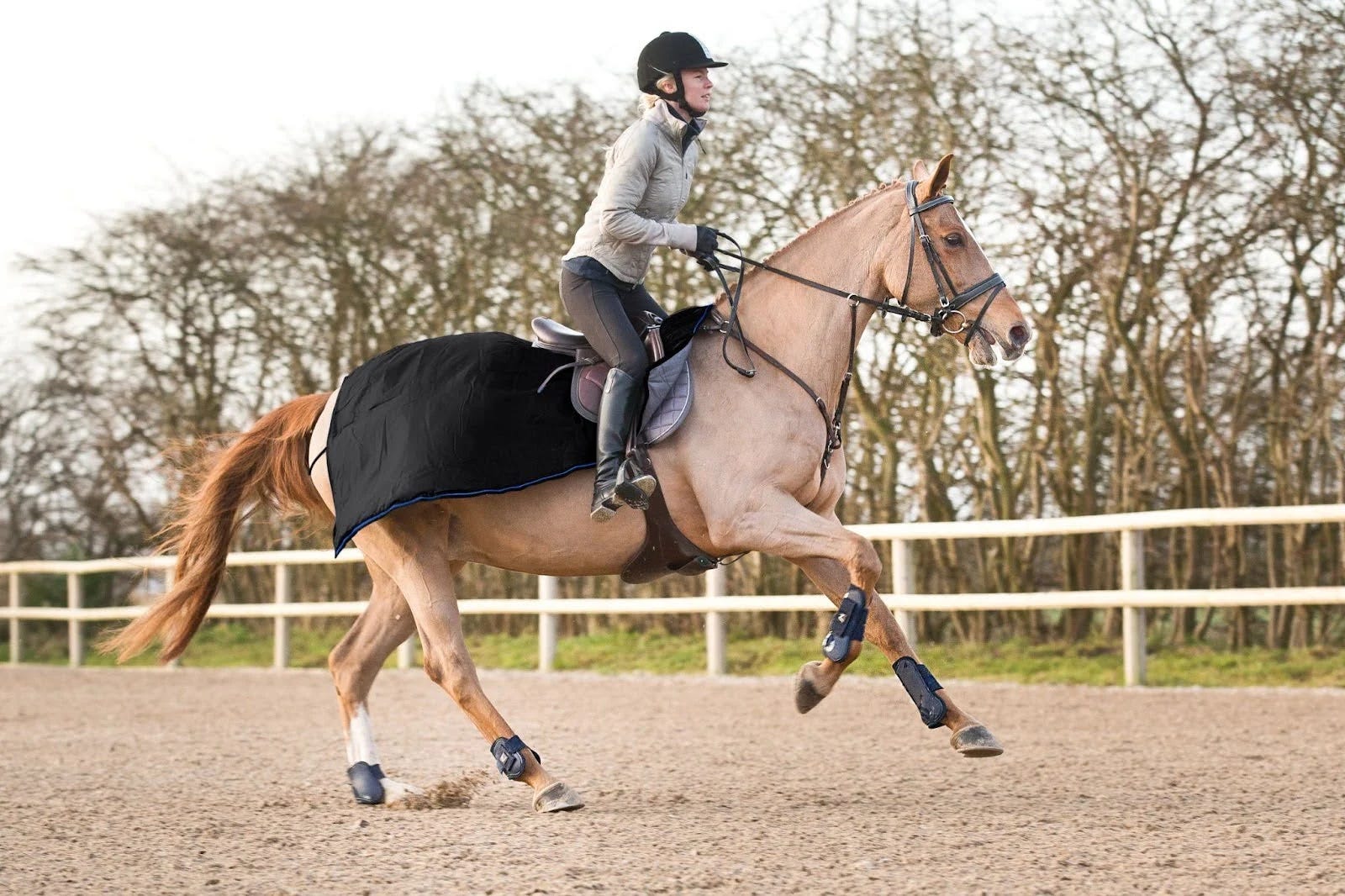
When frost blankets the ground, and your breath forms clouds in the crisp morning air, the call to saddle up doesn’t disappear just because it’s winter. Horse riding in winter offers unique beauty and tranquility, but it also demands respect for the season’s hazards.
Whether you’re navigating icy trails or schooling in a chilly arena, a few simple winter riding safety tips can help you stay comfortable, confident, and in control of your horse. Let’s get into it.
The Three Key Winter Riding Challenges
Cold-weather horseback riding presents three primary challenges that every equestrian needs to address:
Slippery surfaces that cause falls.
Muscle strains from stiffness.
Injuries related to extreme cold.
Each of these hazards requires specific prevention strategies, and ignoring even one can compromise your safety and your horse’s well-being.
The freeze-thaw cycles common in many regions create particularly treacherous conditions. Today’s slush becomes tomorrow’s skating rink, and what looked like solid ground might hide dangerous ice patches beneath a fresh dusting of snow.
Meanwhile, both you and your horse are dealing with muscles that resist movement in the cold, setting the stage for pulled tendons and strained ligaments.
Mastering Slip Prevention Strategies
Smart riders develop daily inspection routines. Grab your hoof pick and a flashlight for early morning checks, examining every surface your horse will traverse. Mark problem areas with brightly colored cones or flags so you can avoid them consistently throughout the season. This simple habit prevents memory lapses that could lead to dangerous shortcuts through hazardous zones.
Some riders swear by temporary hoof boots with aggressive treads for particularly icy days, allowing them to add protection only when conditions demand it.
Arena sand mixed into walkways provides reliable footing, while some facilities invest in heated mats for critical areas. These improvements protect both horse and rider during those vulnerable moments of mounting, dismounting, and leading.
Keep a GPS app handy in case whiteout conditions disorient you, and you need to find a bailout route back to safety.
Winter Horse Care Checklist: Keeping Your Horse Warm, Safe & Healthy
Preventing Strains Through Smart Conditioning
Start every session with relaxed walking that lets blood flow increase gradually. Incorporate lateral flexion exercises, asking your horse to bend gently through turns and circles. Progress to easy transitions between walk and trot, activating the hindquarters and loosening cold joints.
Planks build the stability you need when your horse makes an unexpected slip. Yoga improves flexibility that helps you absorb sudden movements without pulling muscles.
Fit athletes in regular work can progress to more challenging exercises like trot poles spaced at four and a half feet to encourage hindquarter engagement without outdoor risks.
Indoor arena work becomes invaluable during harsh weather. Set up fan-shaped pole patterns or serpentine exercises that build strength progressively. These controlled environments let you maintain fitness without exposing horses to ice and extreme cold.
Start with shorter sessions of twenty to thirty minutes for horses who haven’t maintained consistent winter conditioning, then gradually increase duration as fitness improves.
Keep a training journal to track which exercises cause fatigue and which leg might consistently show strain, helping you identify patterns like arena bias that overwork one side.
Cold Weather Protection Essentials
The middle insulating layer traps body heat, while your outer layer (use a jacket like the B Vertigo Simone Womens Ultra Light Padded Jacket) must block wind and repel moisture. You can use a vest if the weather gets chillier than usual.
Invest in Quality Riding Gear: Quality winter riding gear makes uncomfortable rides enjoyable. Invest in winter riding boots with insulation and waterproofing that keep your feet functional in freezing temperatures. Numb toes compromise your leg aids and balance. Thinsulate winter riding gloves need to balance warmth with the finger dexterity required for rein management.
Don’t Overlook Winter Breeches For Riding: Look for winter breeches that offer thermal lining or fleece panels. Your legs maintain contact with your horse for extended periods, and inadequate protection leads to muscle stiffness and reduced effectiveness. Pair them with thermal socks designed specifically for riding boots.
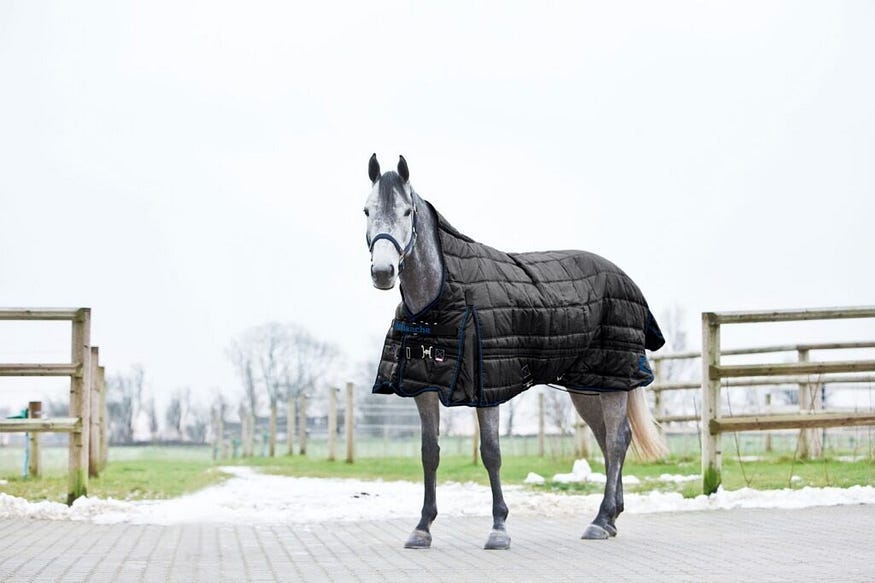
Choose The Right Protection For Your Horse: Your horse needs thoughtful cold-weather protection, too. Blankets should match the temperature and your horse’s individual needs.
Horses with full winter coats handle cold differently than clipped athletes. Quarter sheets worn under blankets during riding provide extra warmth for the hindquarters, while neck rugs prevent drafts from chilling vulnerable areas.
Emergency Preparedness
Despite all precautions, accidents can happen. Here are a few things you can do in case of an emergency:
Maintain a comprehensive emergency kit in your barn that includes basic first aid supplies, vet wrap for sudden injuries, arnica gel for treating strains, and a thermometer to monitor body temperature.
Keep your phone charged and program local equine emergency contacts for quick access.
After exposure to extreme cold, monitor both yourself and your horse carefully. Check gum color, respiratory rate, and overall demeanor every fifteen minutes following a particularly harsh ride.
Apply Vaseline to extremities before rides to prevent frostbite. Use microfiber towels immediately post-ride to wick moisture from your horse’s coat, followed by infrared lamp therapy if available.
Recovery nutrition helps horses bounce back from cold stress. Prepare warm mashes blending beet pulp, electrolytes, and oils that provide calories and encourage hydration. These comfort foods also help maintain body temperature during the critical post-ride period.
Conclusion
Winter riding safety isn’t about eliminating all risk. Instead, it’s about making informed decisions, preparing thoroughly, and respecting the season’s demands. With proper cold-weather riding apparel, smart training modifications, and careful attention to both horse and rider fitness, you can continue enjoying your partnership throughout the coldest months.
Originally published at https://equinavia.com on January 16, 2026.